
Skip to content
Fusion Industry Association
  • ABOUTExpand
    • ABOUT THE FIA
    • STAFF
    • BOARD OF DIRECTORS
    • JOB OPPORTUNITIES
  • POLICYExpand
    • PUBLIC PRIVATE PARTNERSHIPS
    • REGULATORY CERTAINTY
    • SCALING THE INDUSTRY
  • NEWSExpand
    • FROM THE FIAExpand
      • BLOG
      • INDUSTRY REPORTS
      • FUSION NEWS VIDEOS
    • FUSION IN THE NEWS
    • FOR THE MEDIA
  • MEMBERSHIPExpand
    • FULL MEMBERS
    • AFFILIATE MEMBERS
    • EDUCATION & RESEARCH PARTNERS
  • EVENTSExpand
    • EVENTS
    • FUSION SUPPLY CHAIN TRADE SHOW
    • UK FUSION FORUM 2026
  • LEARNExpand
    • ABOUT FUSION ENERGY
    • FAQ
    • FUSION VS. FISSION
    • PATH TO COMMERCIAL FUSION
  • CONTACT
BECOME A MEMBER
Fusion Industry Association

NASA RFI Seeking Fusion Concepts

Partnering with Governments

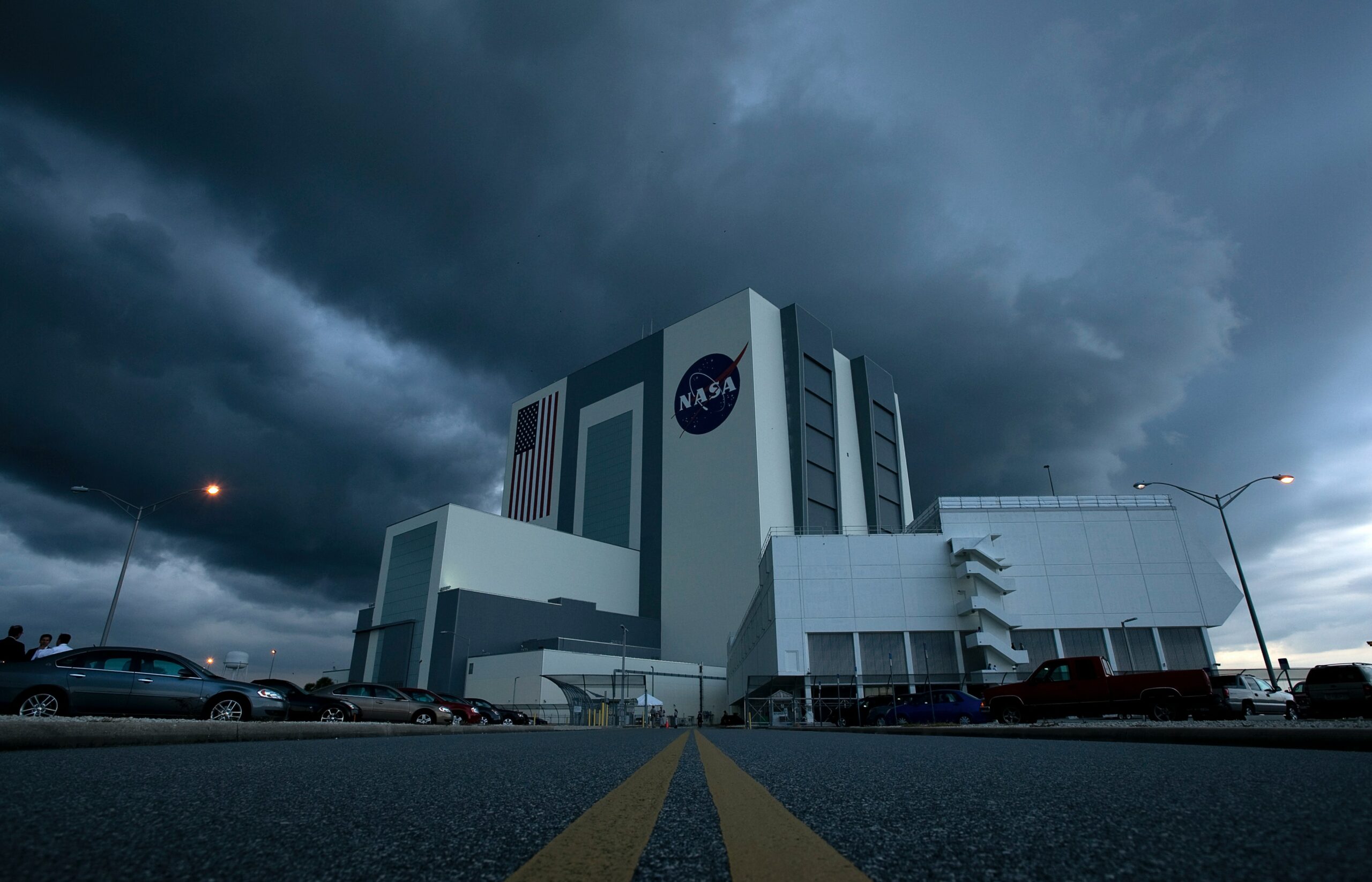
NASA has announced a Request for Information (RFI) entitled ‘Industry-Developed Tipping Point Technologies and Climate and Clean Energy Technologies for Early Stage Investment.’ Their announcement is below.

The Space Technology Mission Directorate (STMD) Industry-Developed Tipping Point Technologies and Climate and Clean Energy Technologies for Early Stage Investment – Request for Information is available via the NASA Solicitation and Proposal Integrated Review and Evaluation System (NSPIRES) by searching on solicitation number 80HQTR22ZOA1L or via the link provided below. RFI respondents should visit NSPIRES, the official source for this RFI. This STMD RFI does not constitute a commitment, implied or otherwise, that the National Aeronautics and Space Administration (NASA) will take action in this matter.

Responses to this RFI are due December 3, 2021. Responses to this RFI must be submitted electronically using NSPIRES. Any questions to this RFI may be submitted to STMDRFI@nasaprs.com at any time before the due date for responses.

STMD is seeking brief responses (2-5 pages), and should be uploaded as a single PDF file attachment not to exceed 10MB at the NSPIRES website.

November 14th, 2021

facebookShare on Facebook
TwitterTweet

Post navigation

Previous Previous
Nuclear Fusion Attracts Startups—and Skeptics
NextContinue
The Royal Society Conference Announcement
Fusion Industry Association - the voice of the private fusion industry

ABOUT
POLICY
MEMBERSHIP
NEWS
FAQ
MEDIA
LEARN
EVENTS
CONTACT

FOLLOW FUSION INDUSTRY ASSOCIATION

  • YouTube
  • X
  • LinkedIn
  • Bluesky

Subscribe and get fusion industry updates and stay on top of global fusion progress.

* indicates required

© 2026 Fusion Industry Association - Messaging, design and development by Mind Over Markets

Common Fusion Approaches

Magnetic confinement: Plasma is heated to 100 million °C or more, then squeezed and held in place by strong magnetic fields, allowing many fusion reactions to occur. (Example: tokamaks, stellarators)

Inertial confinement: Tiny fuel pellets are struck by powerful lasers. The outer layer explodes outward, compressing the core to fusion conditions for a few nanoseconds, producing a brief but intense pulse of energy from each pellet. (Example: National Ignition Facility)

Hybrid systems: Combine compression (e.g., from lasers, plasma pistons, or mechanical impact) with moderate magnetic fields to reduce energy losses and improve confinement.

Electrostatic fusion: Uses high electric potentials to accelerate ions toward a central reaction zone, causing them to collide at high energies and fuse. The ions are guided and confined by electric fields rather than magnets, creating a compact environment for fusion reactions.

  • ABOUT
    • ABOUT THE FIA
    • STAFF
    • BOARD OF DIRECTORS
    • JOB OPPORTUNITIES
  • POLICY
    • PUBLIC PRIVATE PARTNERSHIPS
    • REGULATORY CERTAINTY
    • SCALING THE INDUSTRY
  • NEWS
    • FROM THE FIA
      • BLOG
      • INDUSTRY REPORTS
      • FUSION NEWS VIDEOS
    • FUSION IN THE NEWS
    • FOR THE MEDIA
  • MEMBERSHIP
    • FULL MEMBERS
    • AFFILIATE MEMBERS
    • EDUCATION & RESEARCH PARTNERS
  • EVENTS
    • EVENTS
    • FUSION SUPPLY CHAIN TRADE SHOW
    • UK FUSION FORUM 2026
  • LEARN
    • ABOUT FUSION ENERGY
    • FAQ
    • FUSION VS. FISSION
    • PATH TO COMMERCIAL FUSION
  • CONTACT